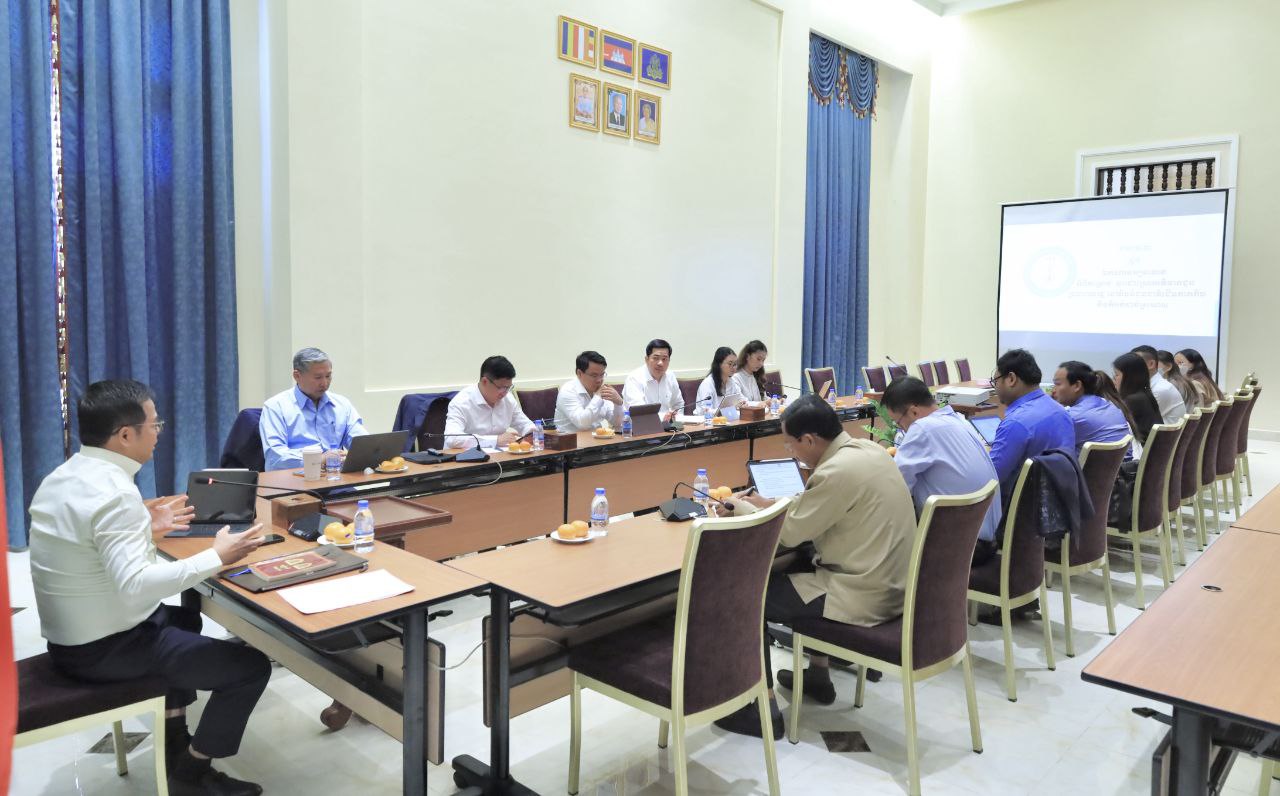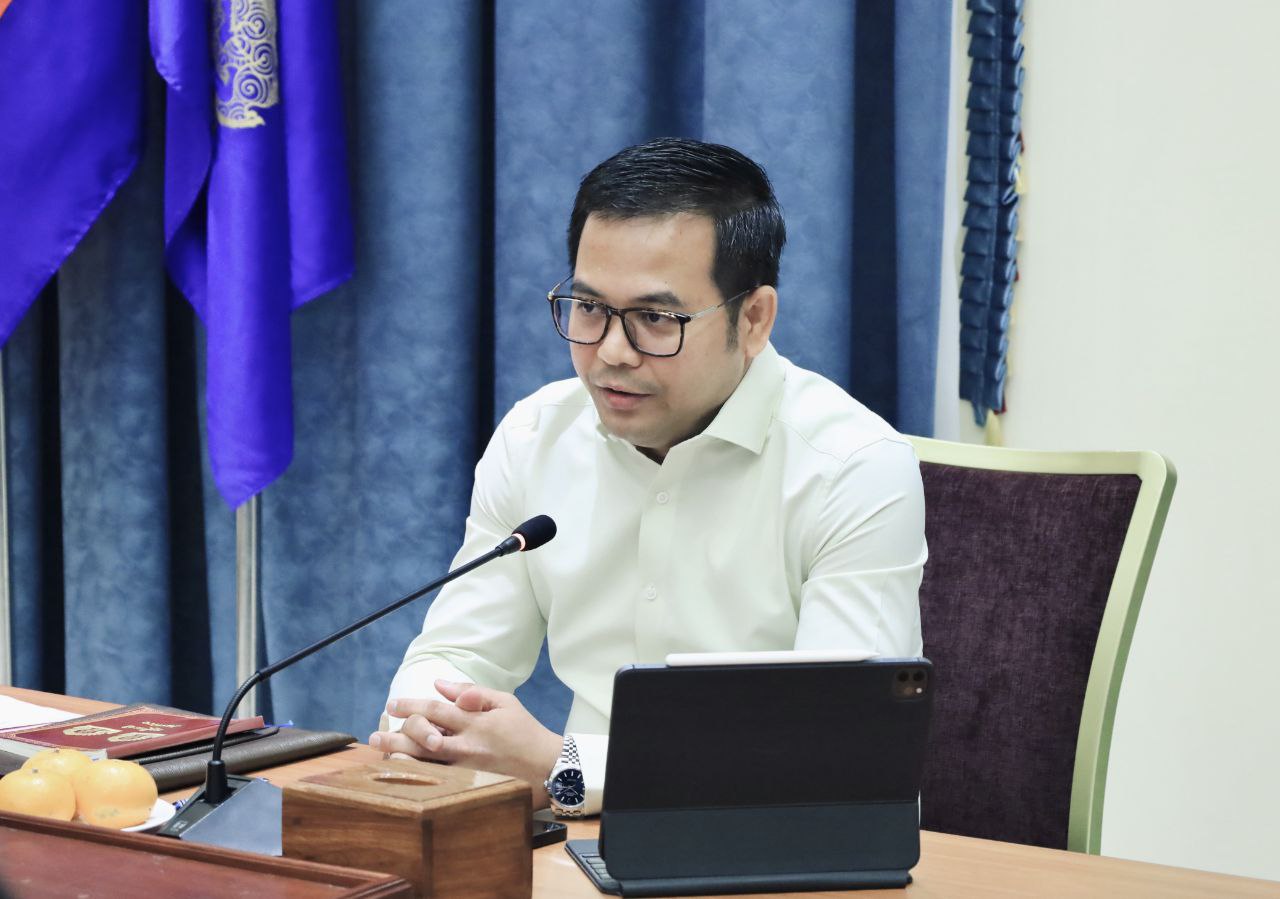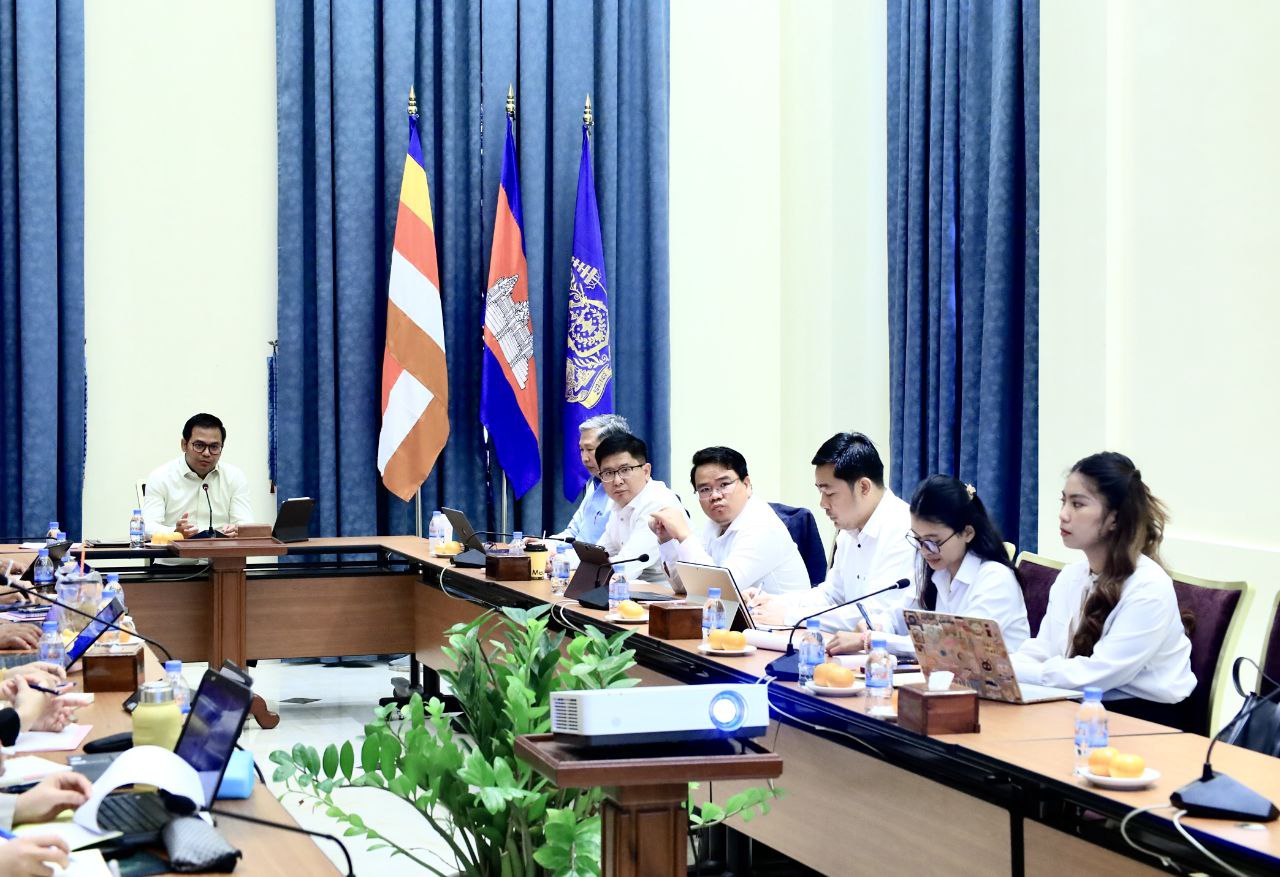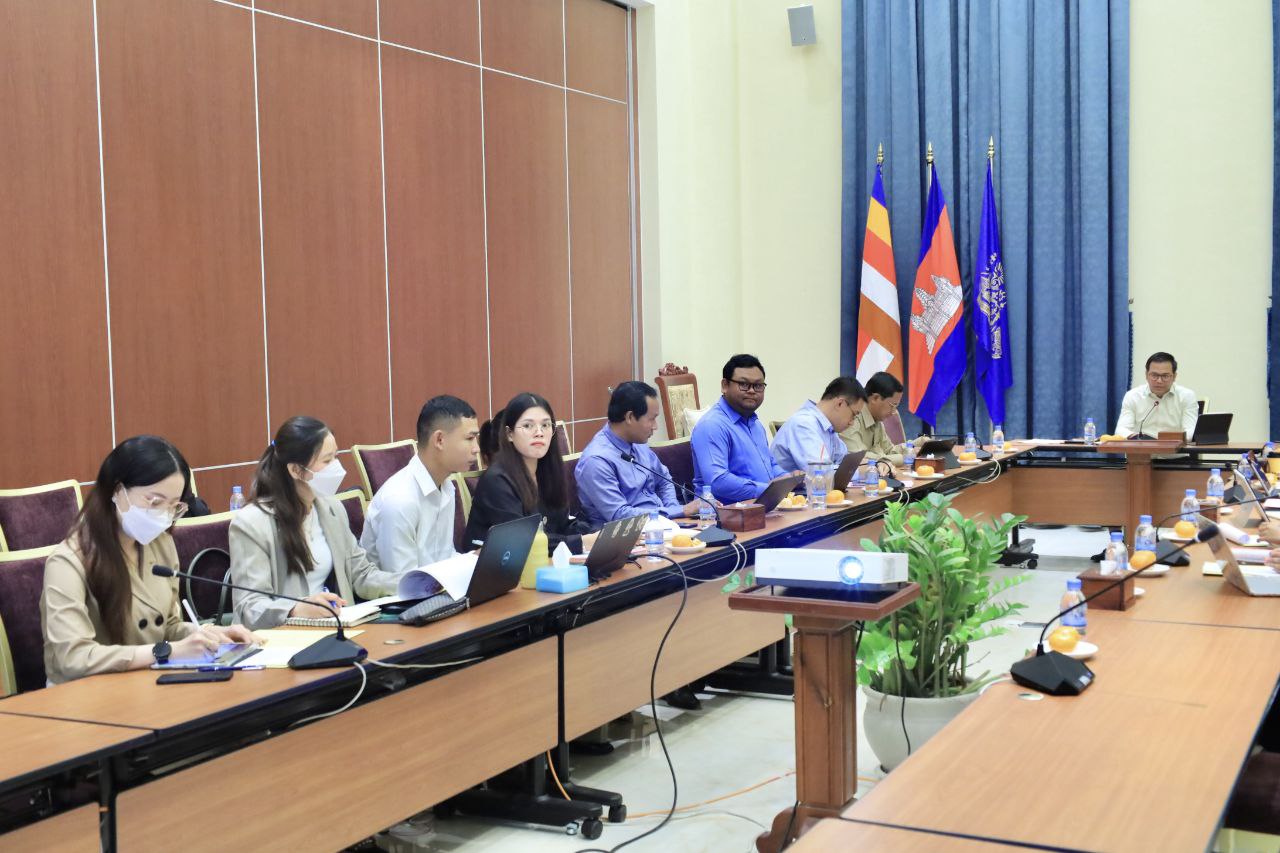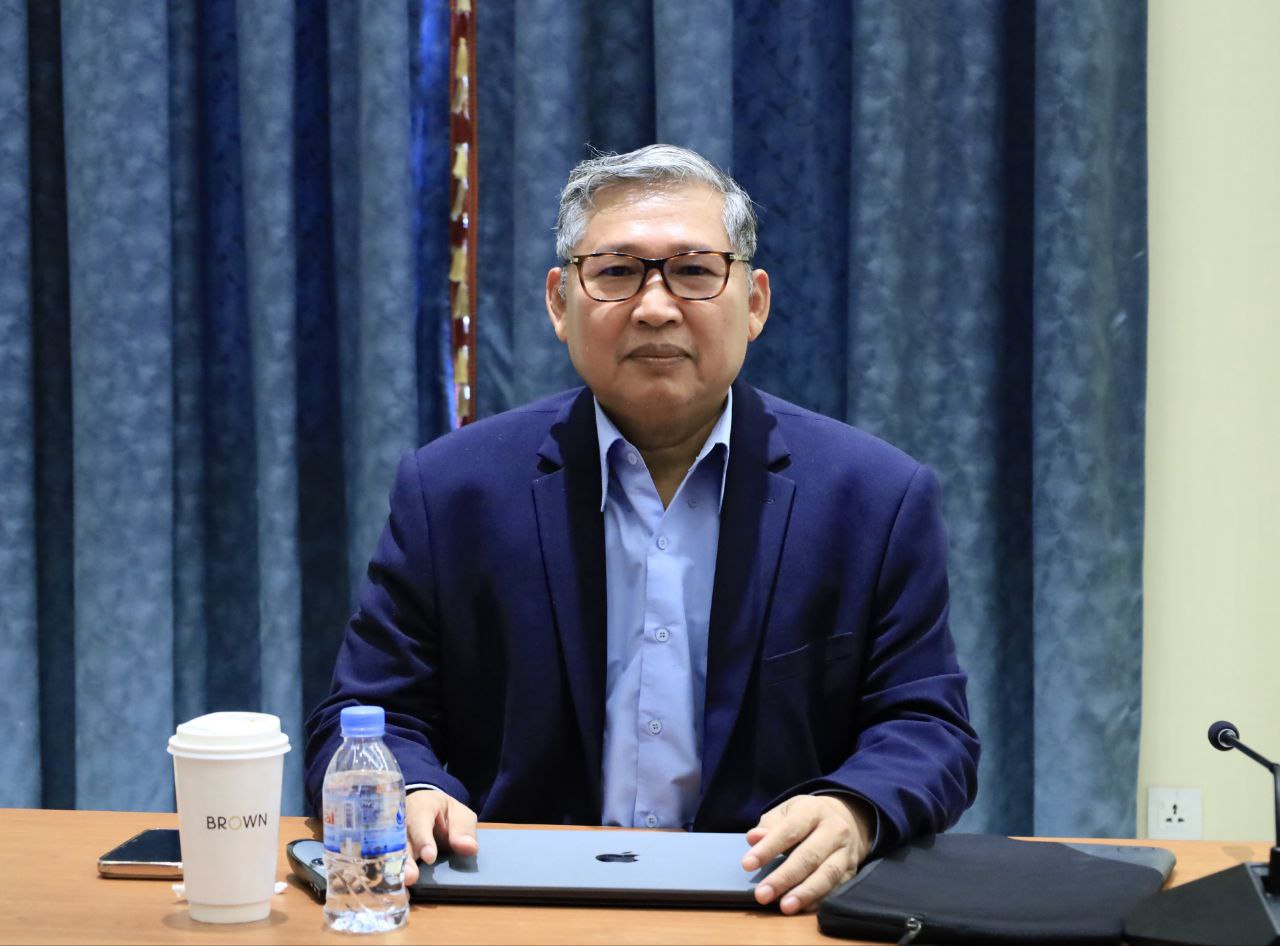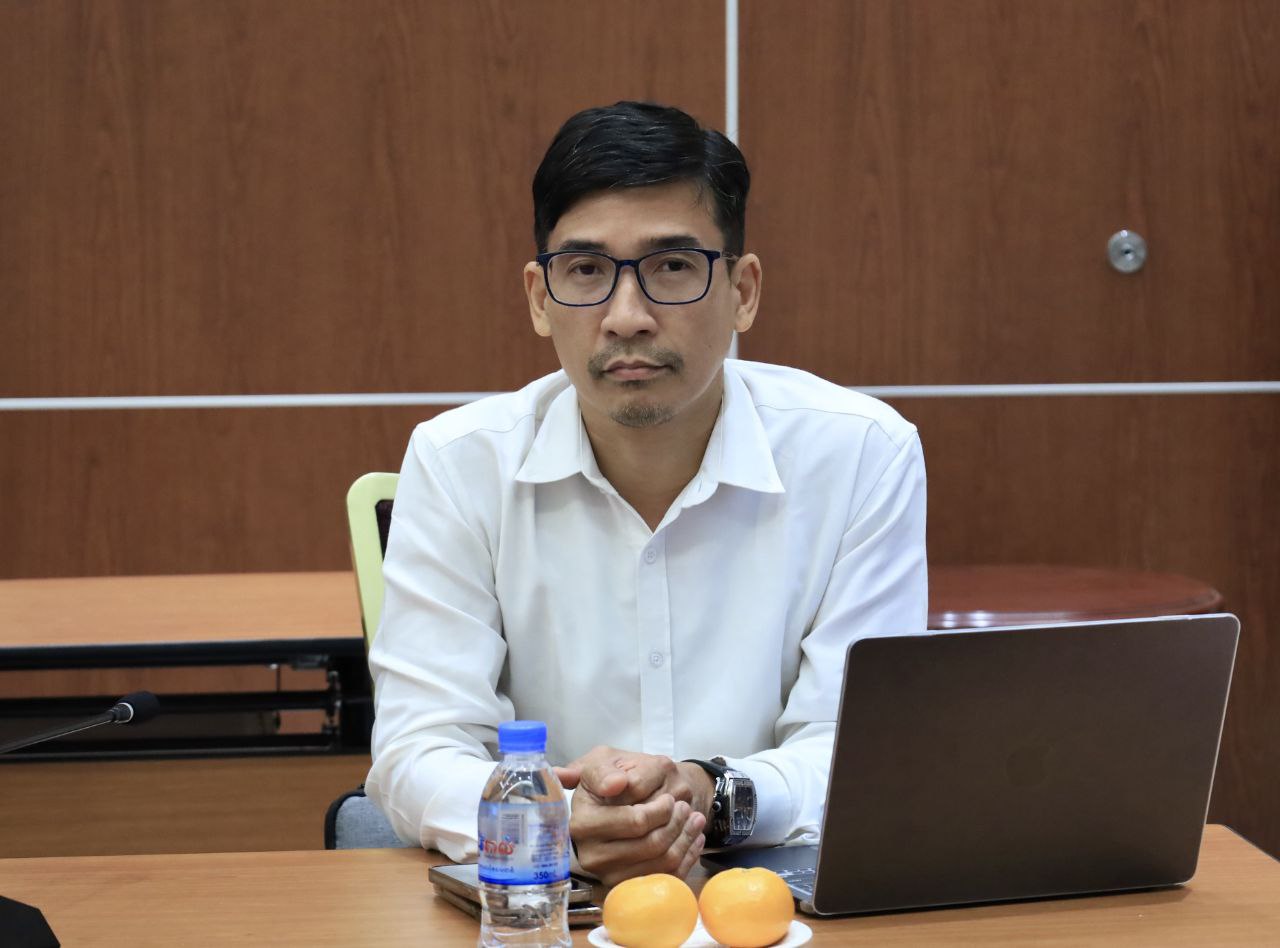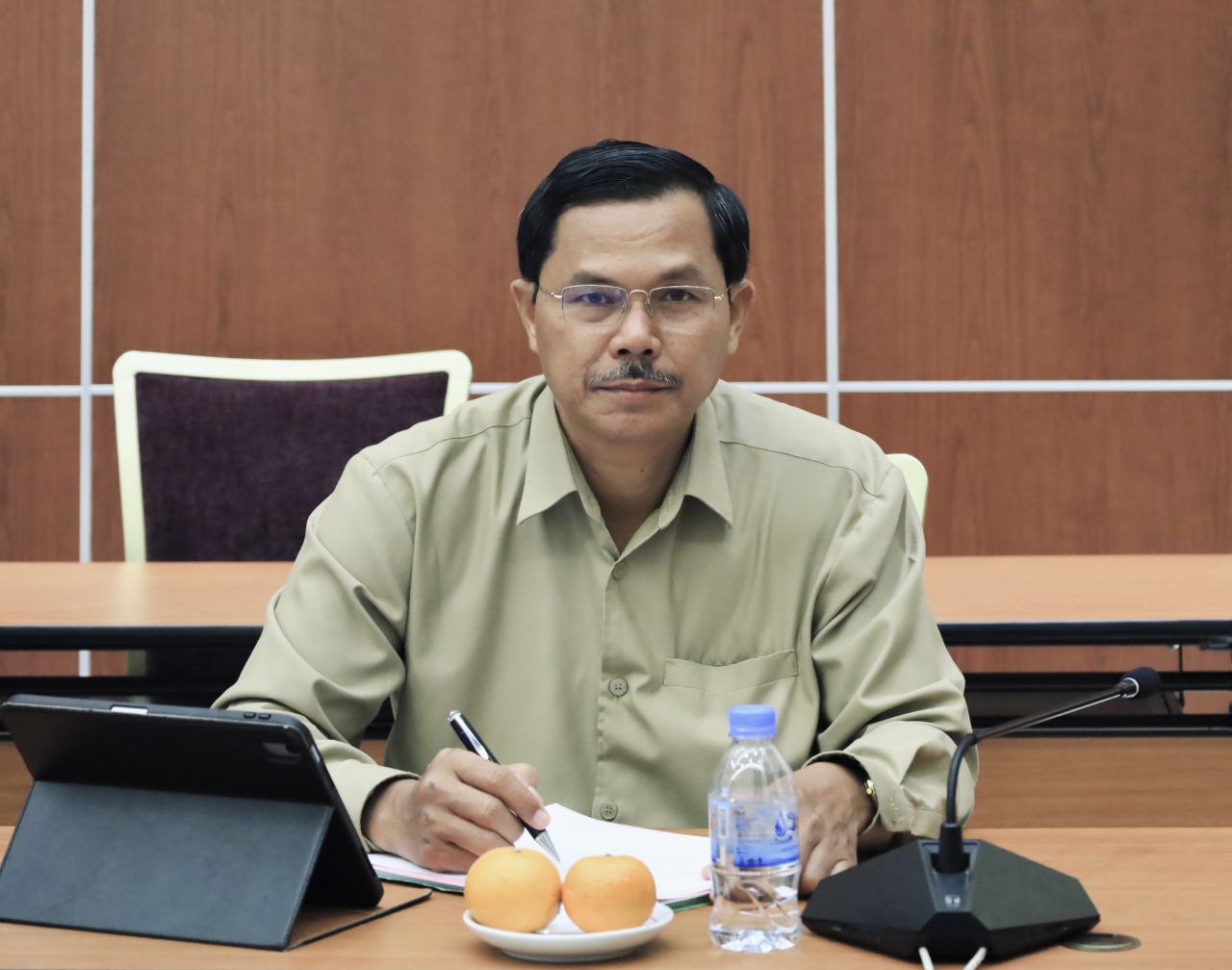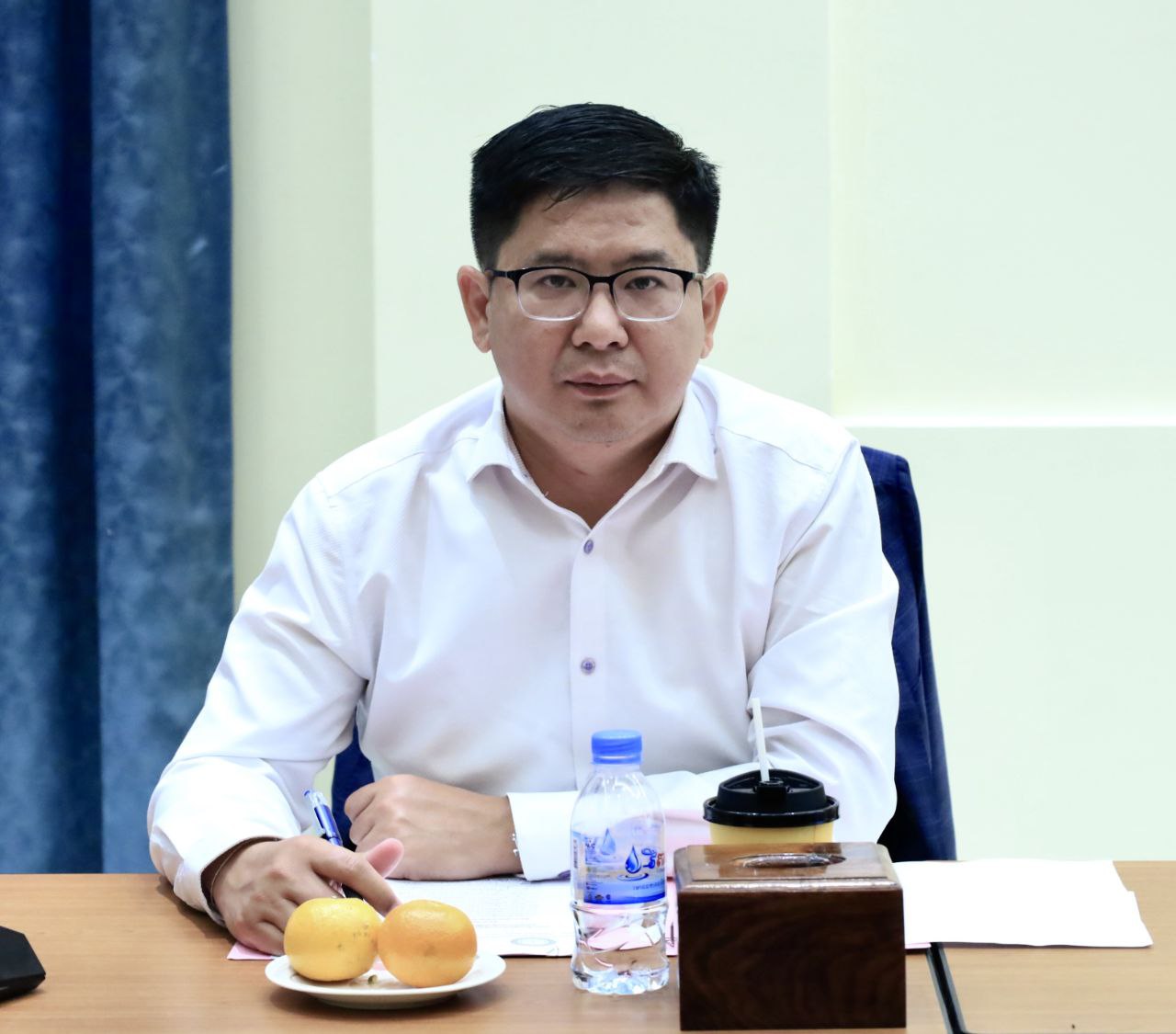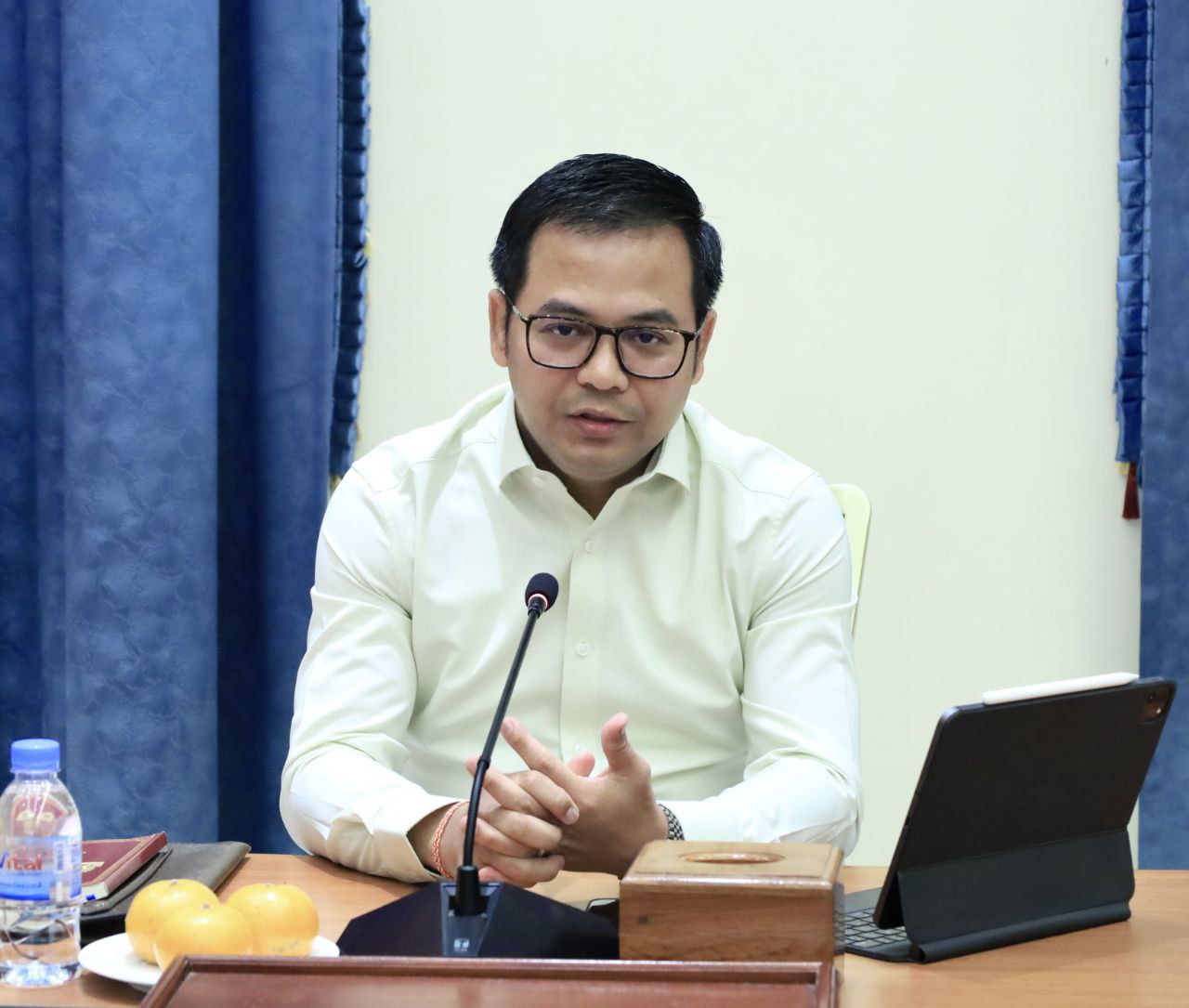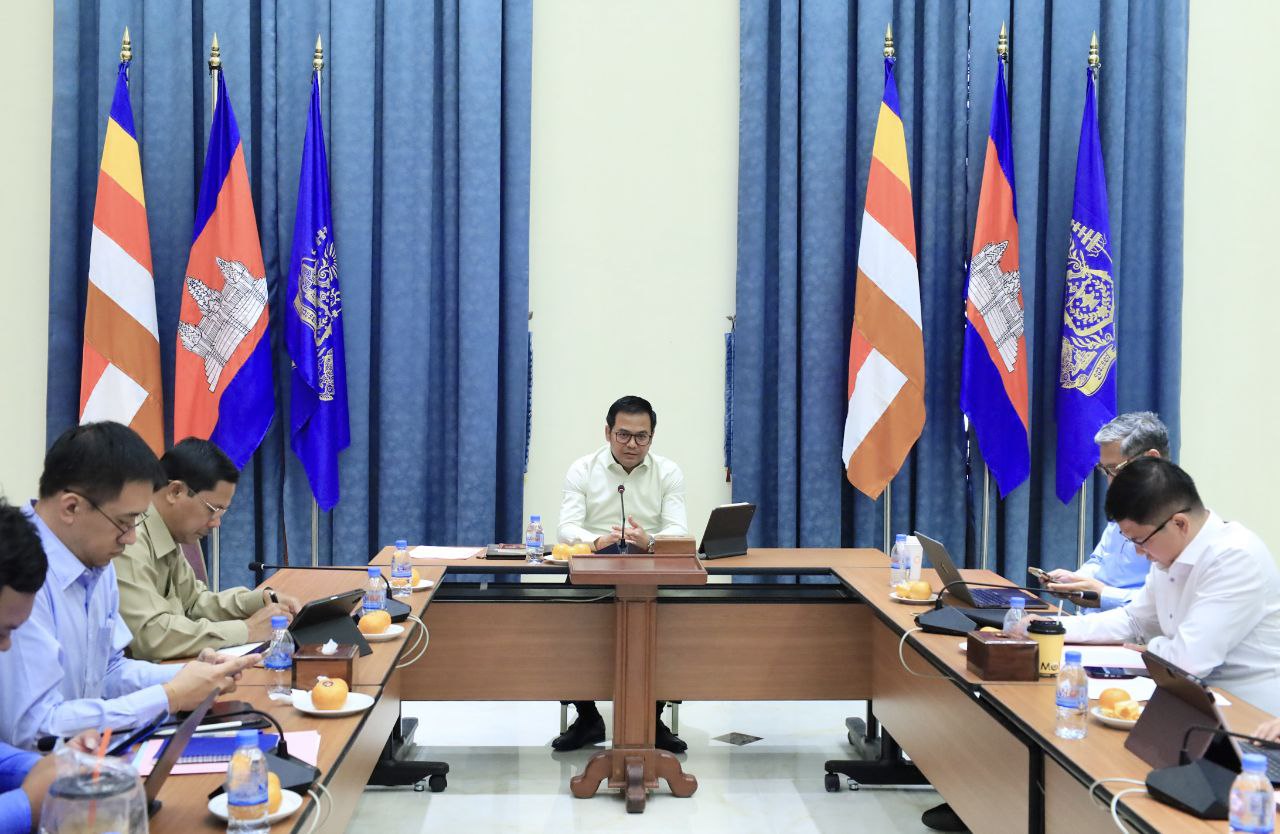






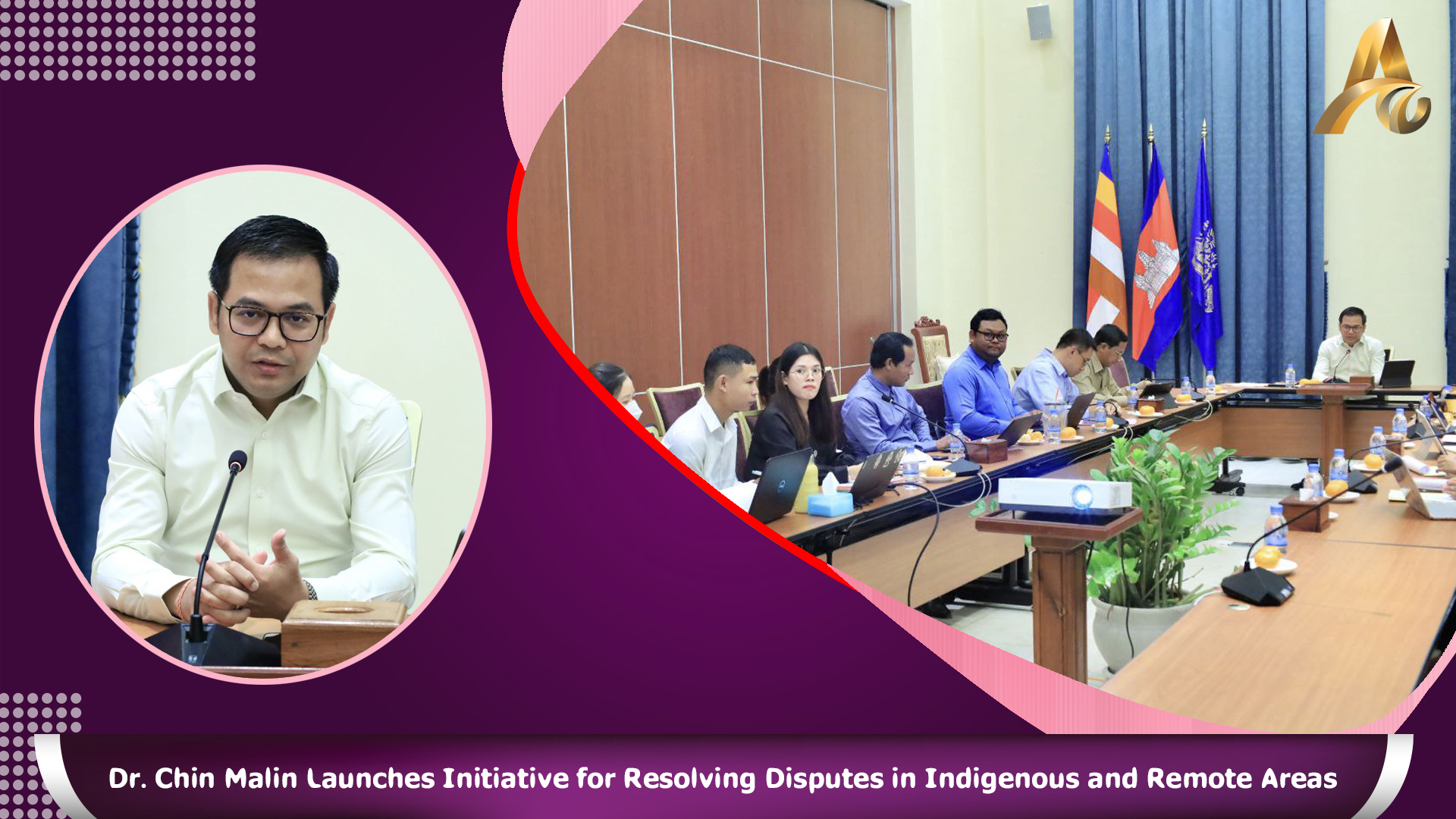








Phnom Penh: In a significant move to promote justice for marginalized communities, Dr. Chin Malin, Permanent Secretary of the Ministry of Justice and Deputy Director of the National Authority for Out-of-Court Dispute Resolution, convened the first meeting of a newly established working group on December 23, 2024. This initiative aims to organize and implement a project focused on resolving disputes affecting indigenous and remote populations.
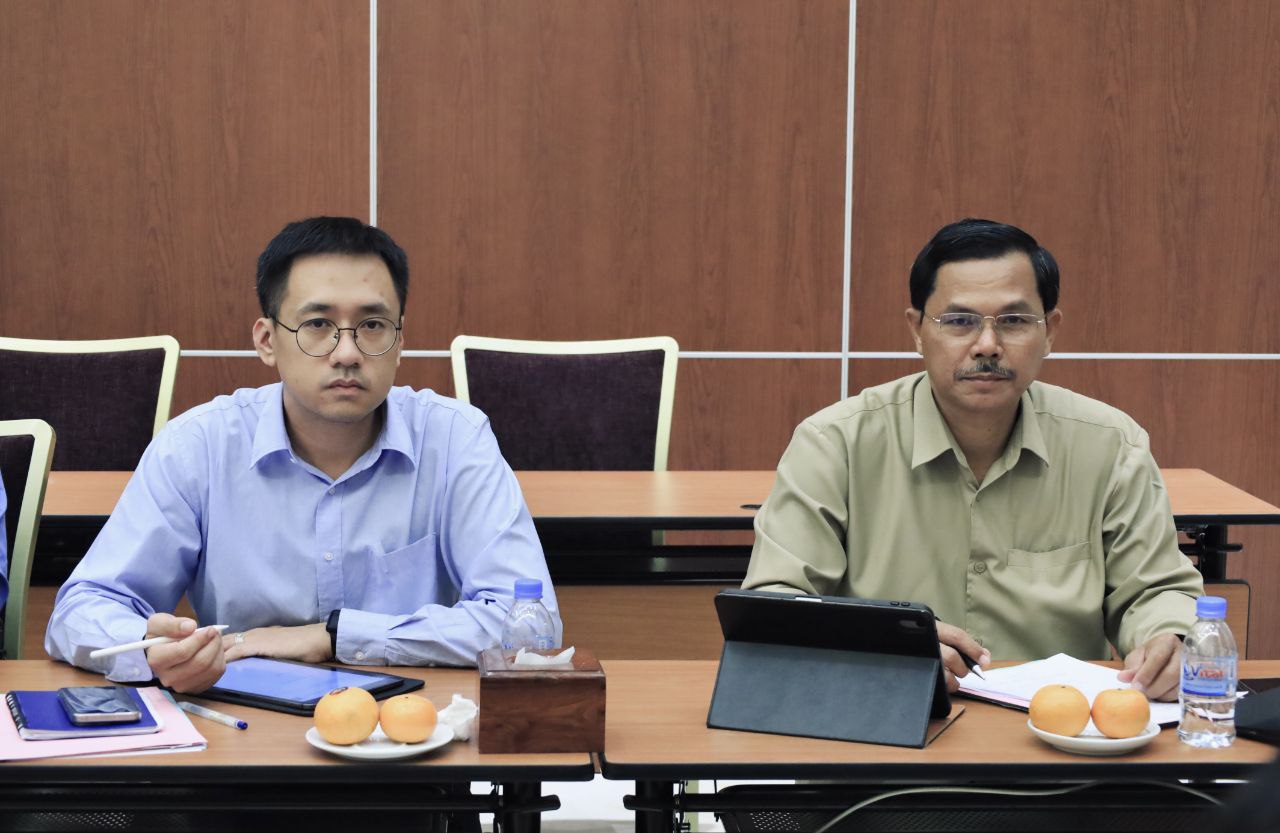
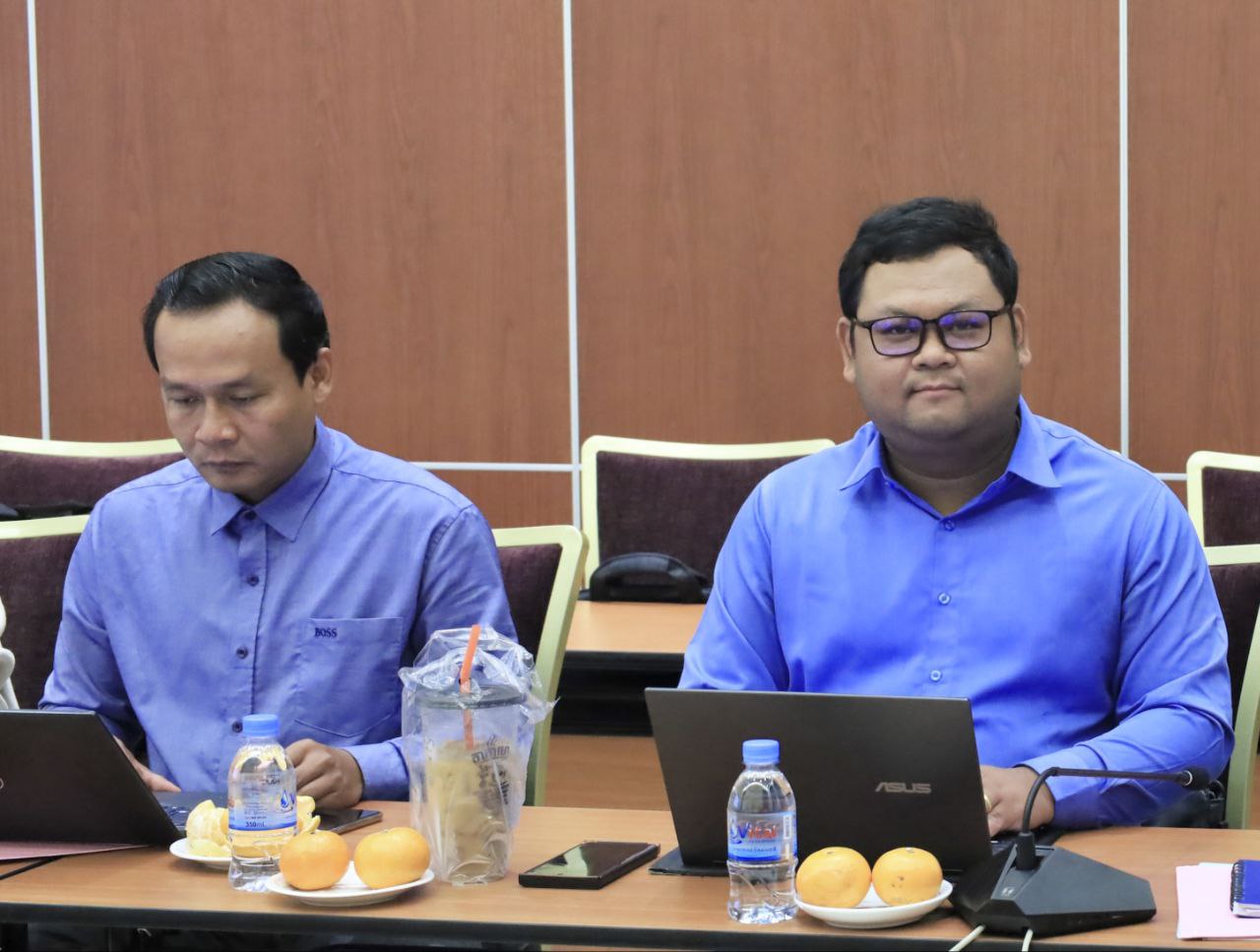
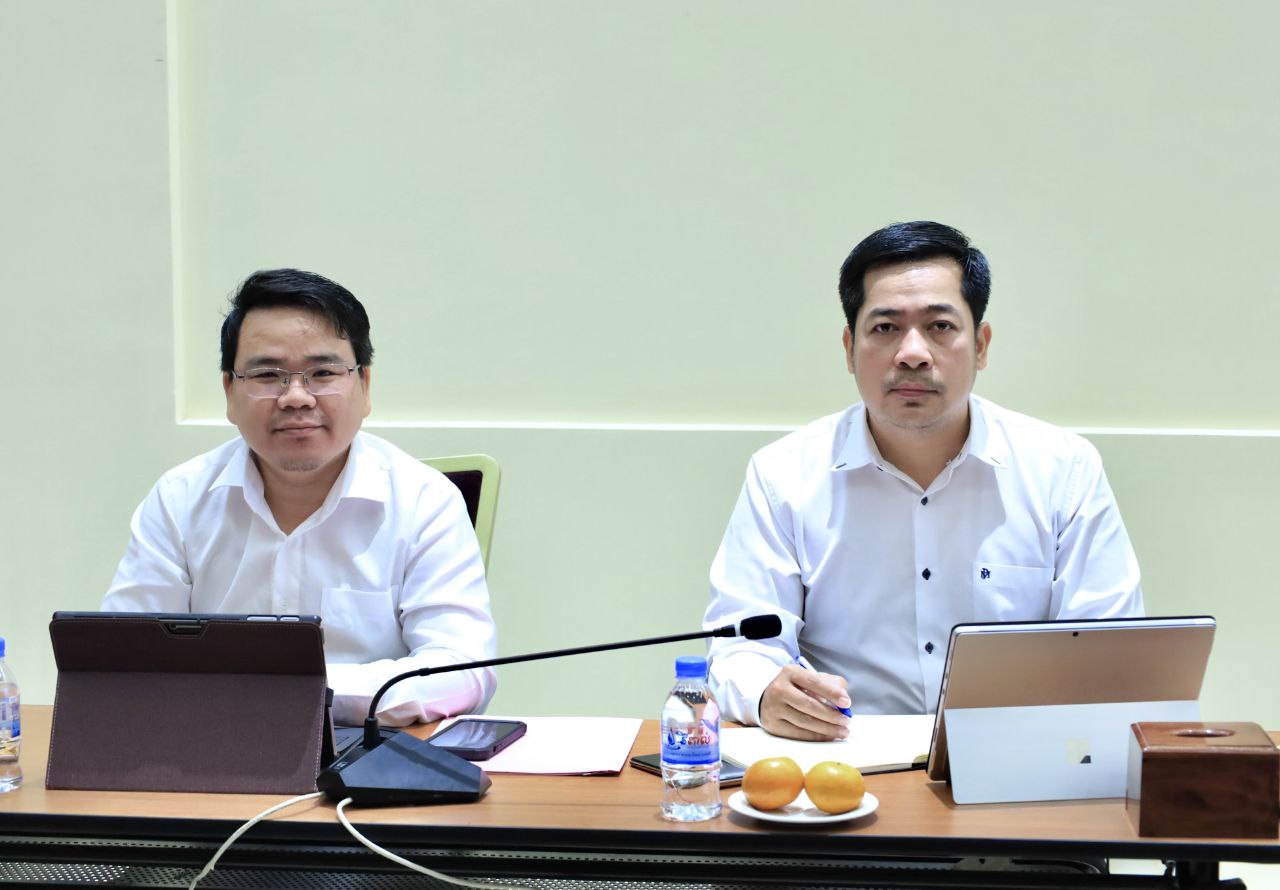
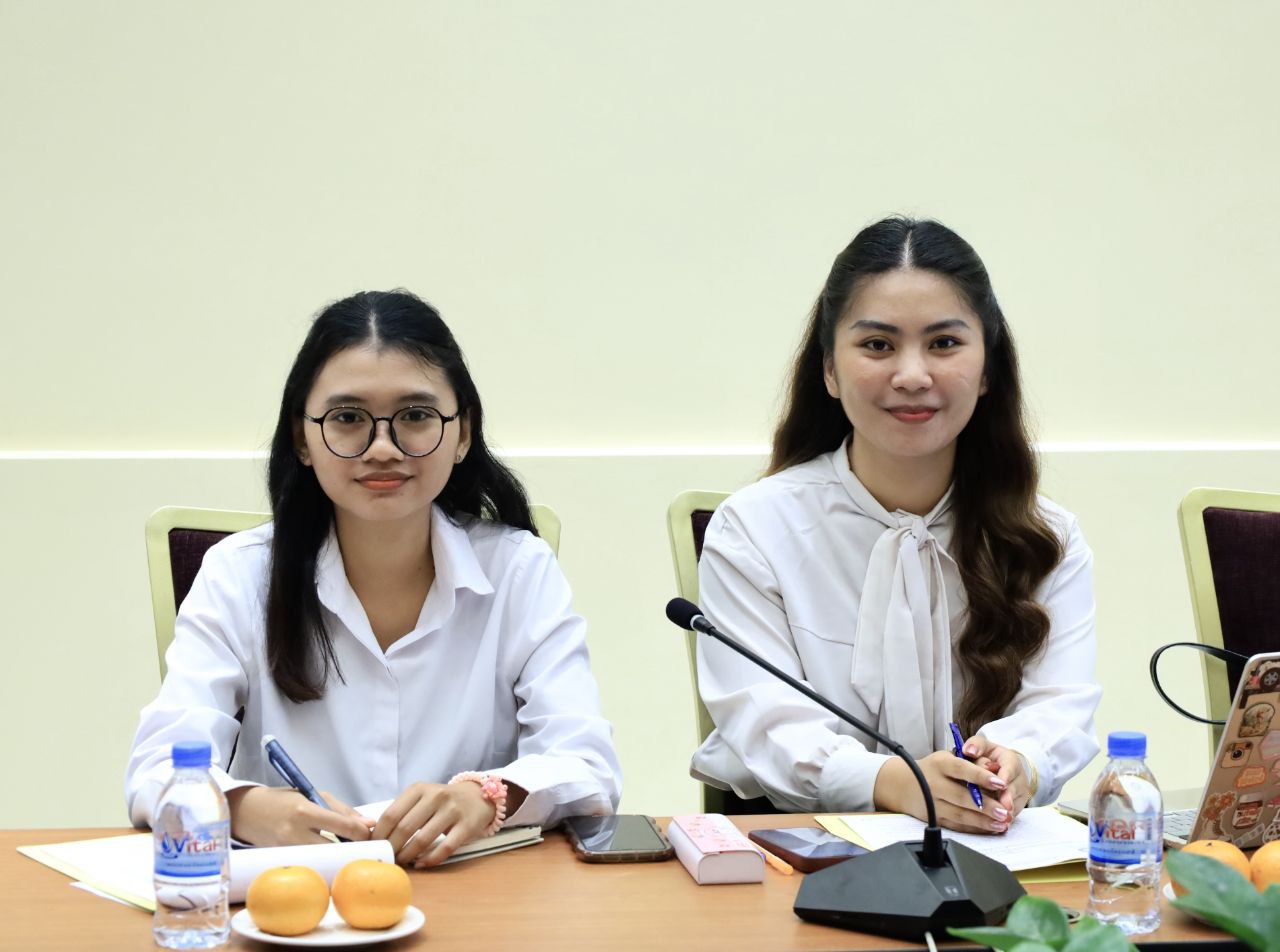
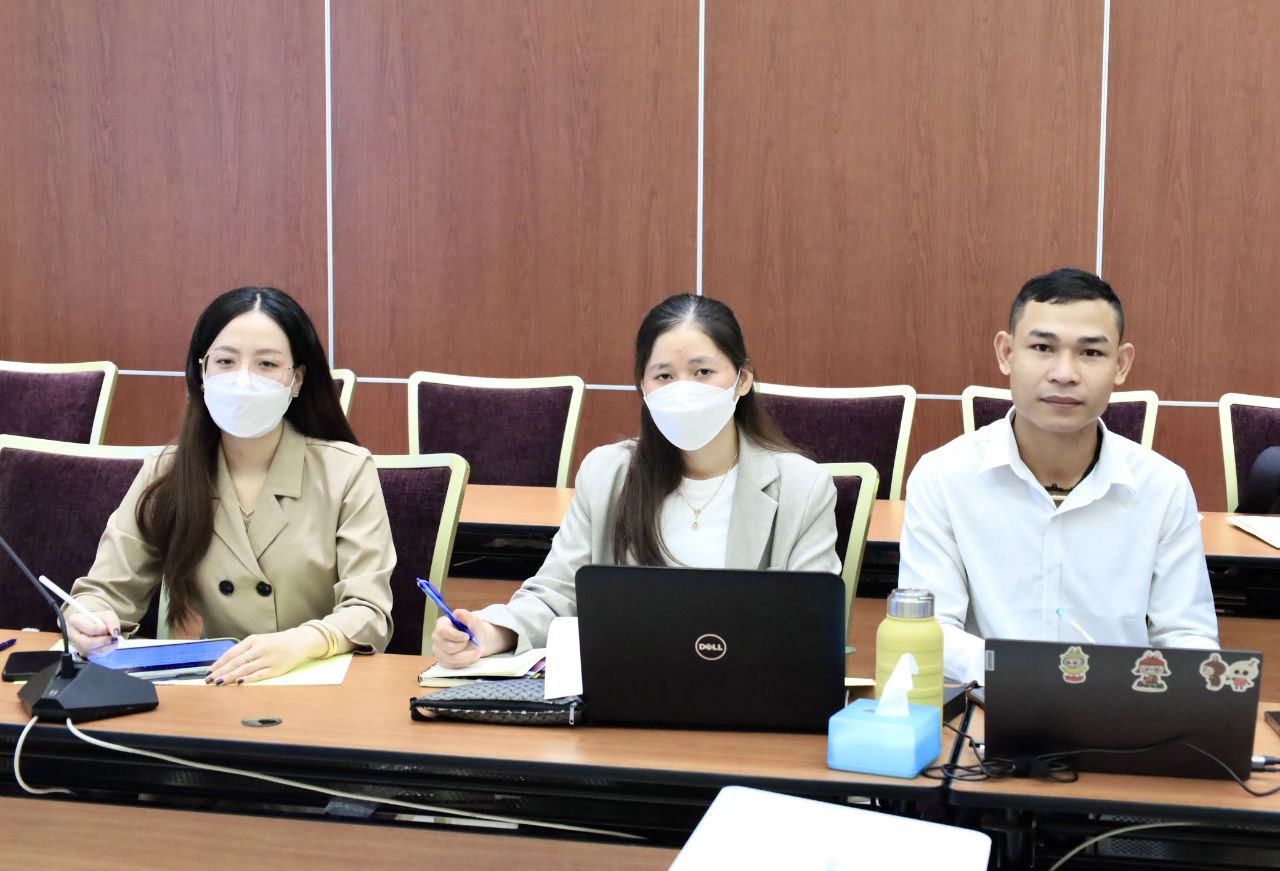
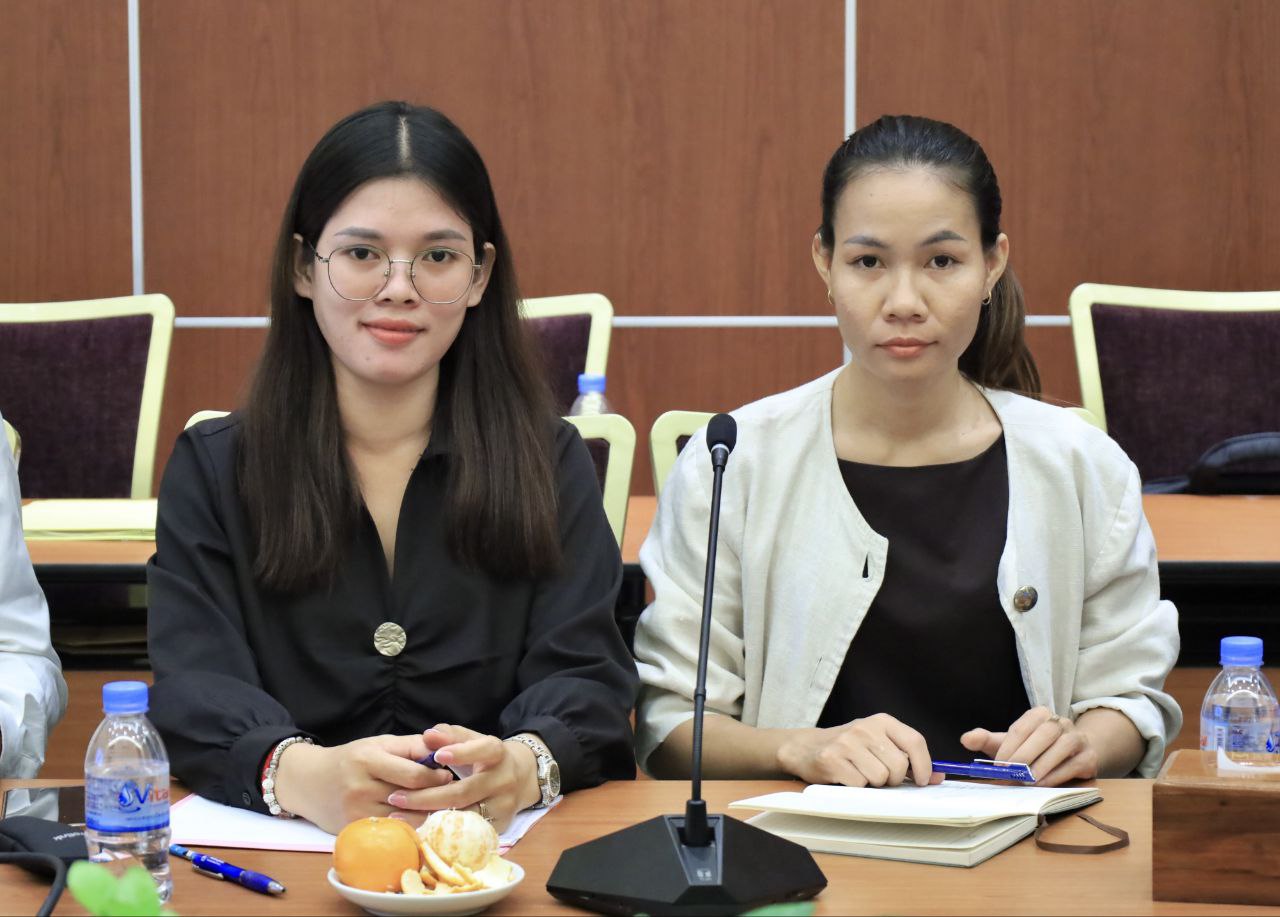
The meeting, held in the capital, brought together key figures, including deputy chairmen, working group members, and officials from the National Authority for Out-of-Court Dispute Resolution. Together, they laid the foundation for addressing the unique challenges faced by these communities, where access to justice often remains limited.
Dr. Malin opened the session by emphasizing the importance of understanding and addressing the specific needs of people living in remote areas. The group deliberated on four primary agenda items critical to the project's success.
First on the agenda was the need for comprehensive research and data collection. The working group aims to gather essential information that will inform the development of effective dispute resolution mechanisms tailored to indigenous populations.
Participants also discussed organizing workshops and consultation meetings to engage various partners, organizations, and associations that work closely with indigenous groups, ensuring their voices are heard during the project's preparation stages.
As the meeting progressed, the group focused on formulating actionable plans. Discussion centered on establishing clear work directions and strategies to launch the project in January 2025, marking a proactive step toward implementing these necessary changes.
Finally, the group acknowledged the significance of collaboration, particularly with the United Nations Development Programme (UNDP) and other relevant partners. Developing cooperative mechanisms is deemed crucial for effective dispute resolution efforts in these underserved areas.